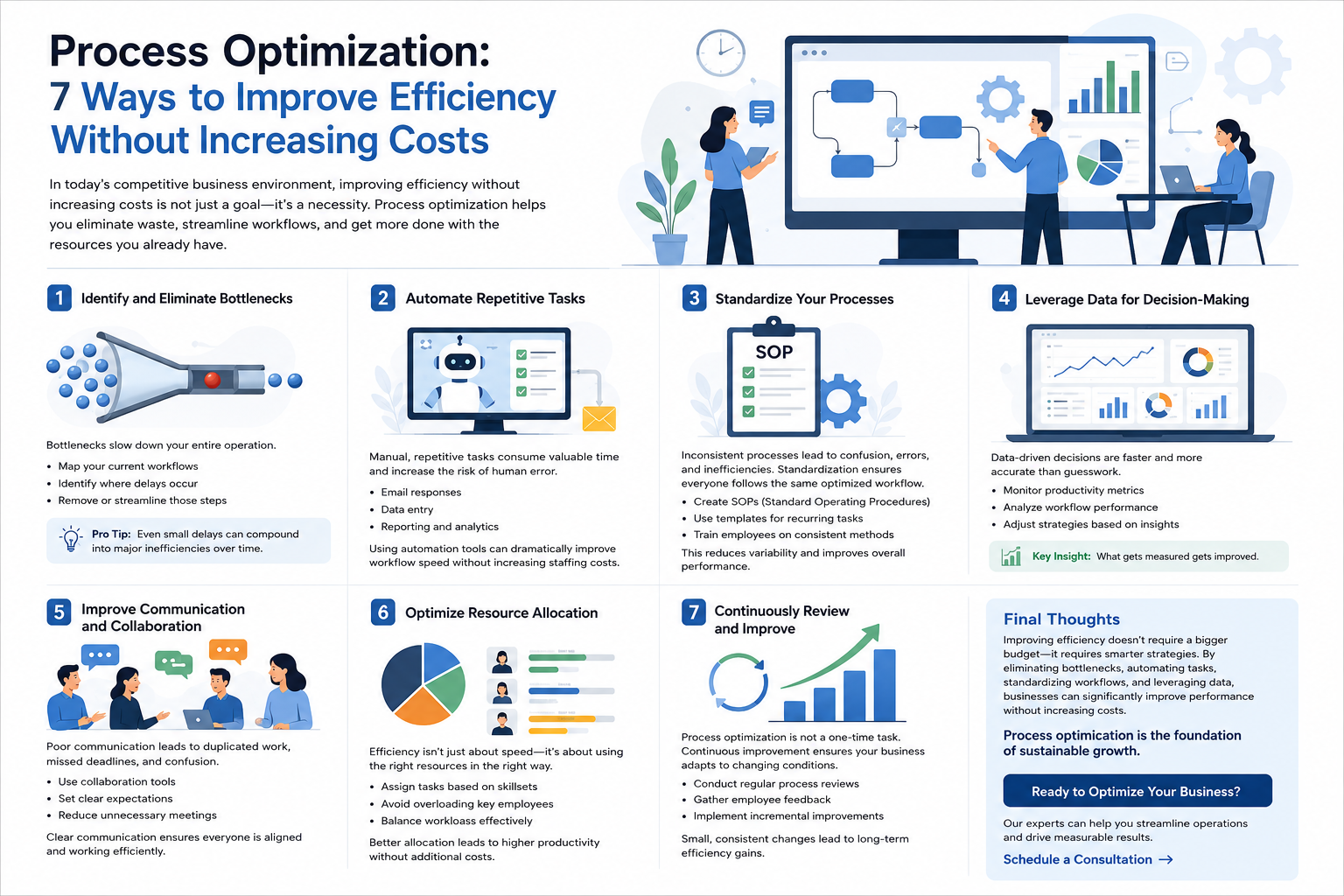
In today's competitive business environment, improving efficiency without increasing costs is not just a goal - it's a necessity. Companies that optimize their processes gain a powerful advantage: higher productivity, better resource utilization, and improved profitability.
Process optimization focuses on analyzing, refining, and enhancing workflows to eliminate inefficiencies while maintaining or improving output quality. The best part? You don't need a bigger budget - just smarter systems.
Here are 7 powerful ways to optimize your processes and improve efficiency without increasing costs.
1. Identify and Eliminate Bottlenecks
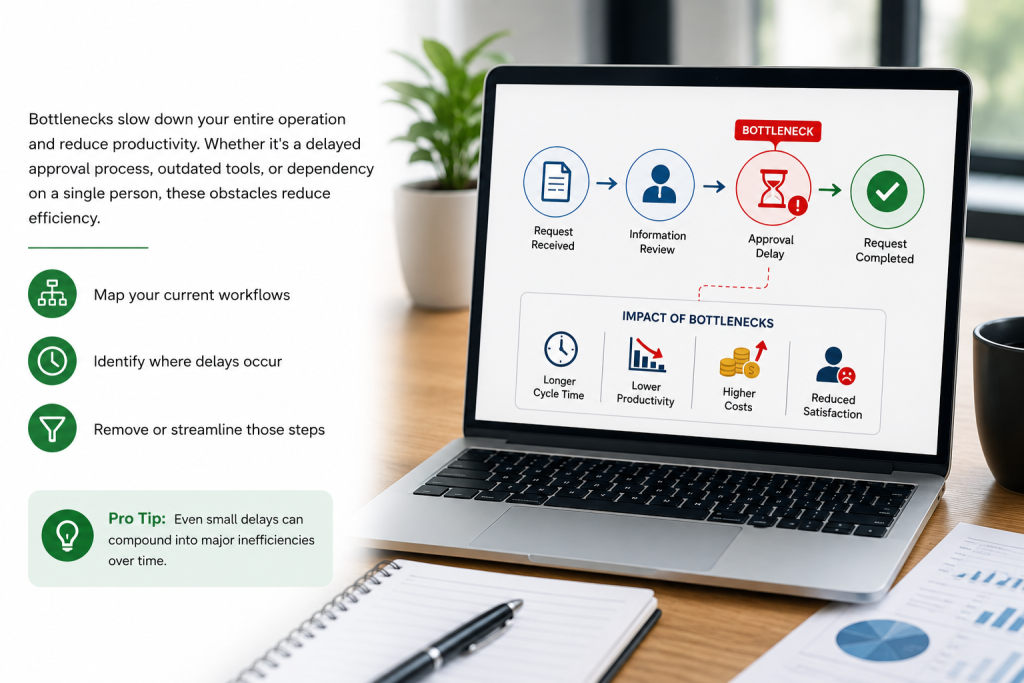
Bottlenecks slow down your entire operation. Whether it's a delayed approval process, outdated tools, or dependency on a single person, these obstacles reduce efficiency.
- Map your current workflows
- Identify where delays occur
- Remove or streamline those steps
Pro Tip: Even small delays can compound into major inefficiencies over time.
2. Automate Repetitive Tasks
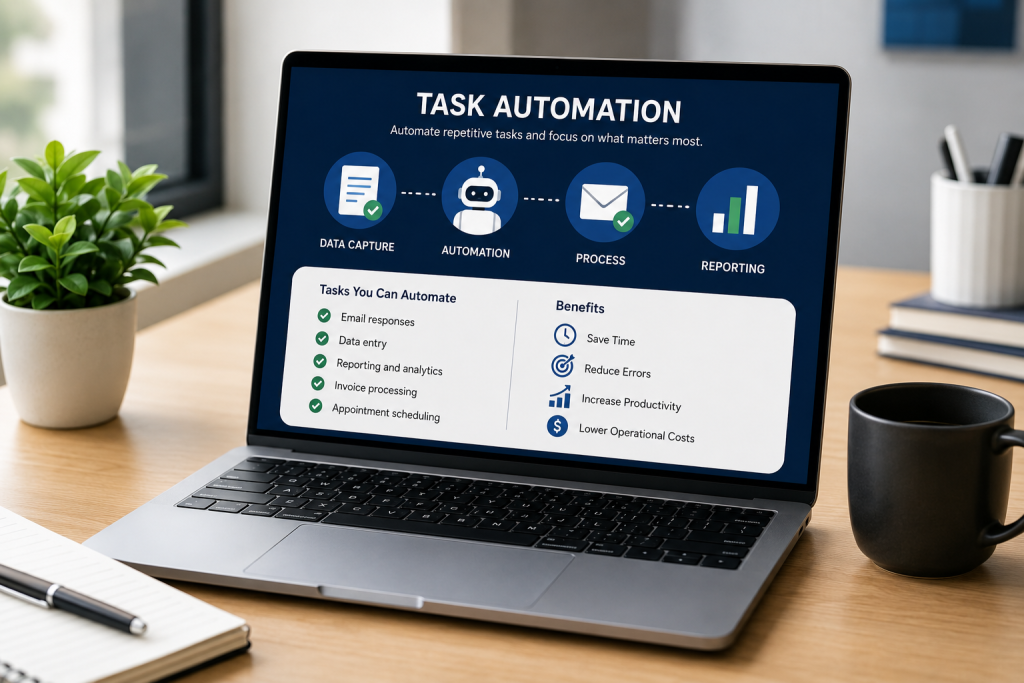
Manual, repetitive tasks consume valuable time and increase the risk of human error. Automation allows your team to focus on higher-value work.
- Email responses
- Data entry
- Reporting and analytics
Using automation tools can dramatically improve workflow speed without increasing staffing costs.
3. Standardize Your Processes
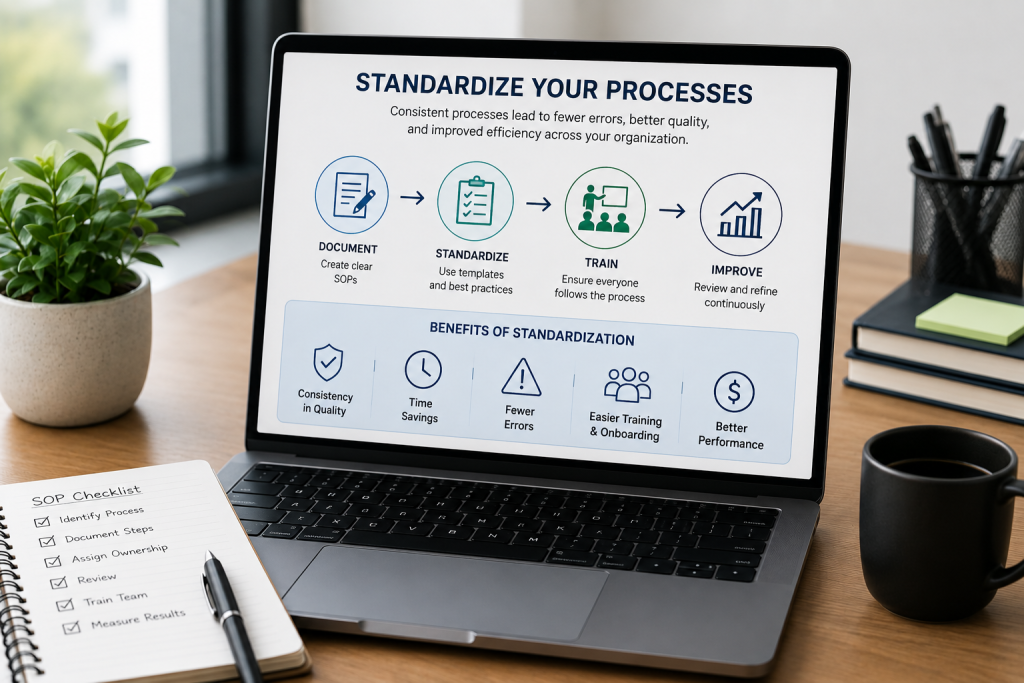
Inconsistent processes lead to confusion, errors, and inefficiencies. Standardization ensures everyone follows the same optimized workflow.
- Create SOPs (Standard Operating Procedures)
- Use templates for recurring tasks
- Train employees on consistent methods
This reduces variability and improves overall performance.
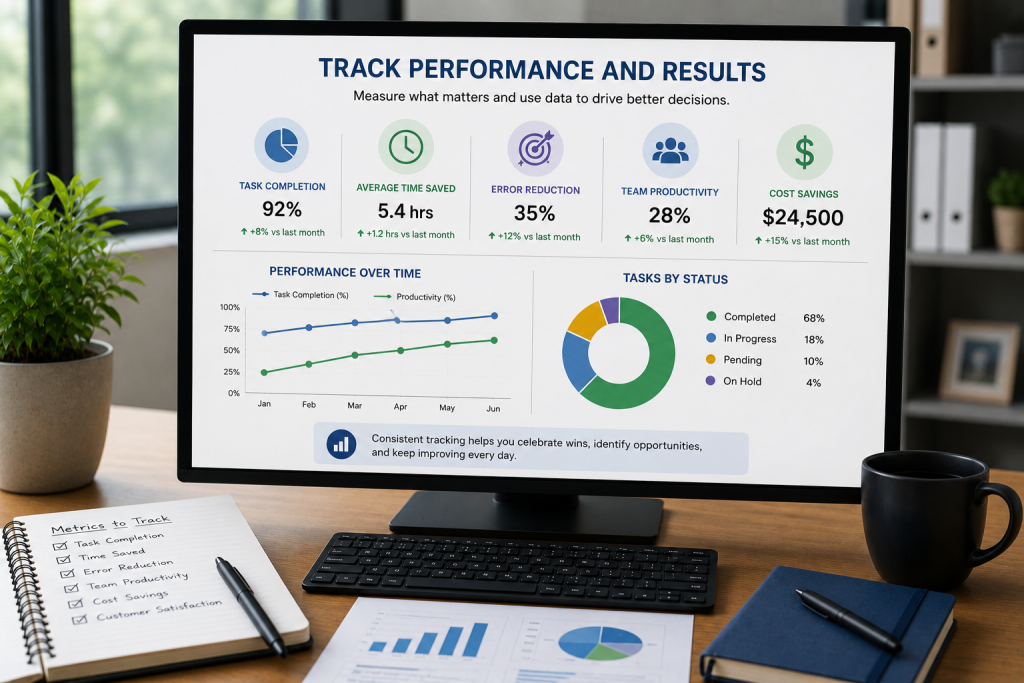
4. Leverage Data for Decision-Making

Data-driven decisions are faster and more accurate than guesswork. Track key performance indicators (KPIs) to identify inefficiencies and opportunities.
- Monitor productivity metrics
- Analyze workflow performance
- Adjust strategies based on insights
Key Insight: What gets measured gets improved.
5. Improve Communication and Collaboration
Poor communication leads to duplicated work, missed deadlines, and confusion. Streamlined communication improves workflow efficiency.
- Use collaboration tools
- Set clear expectations
- Reduce unnecessary meetings
Clear communication ensures everyone is aligned and working efficiently.
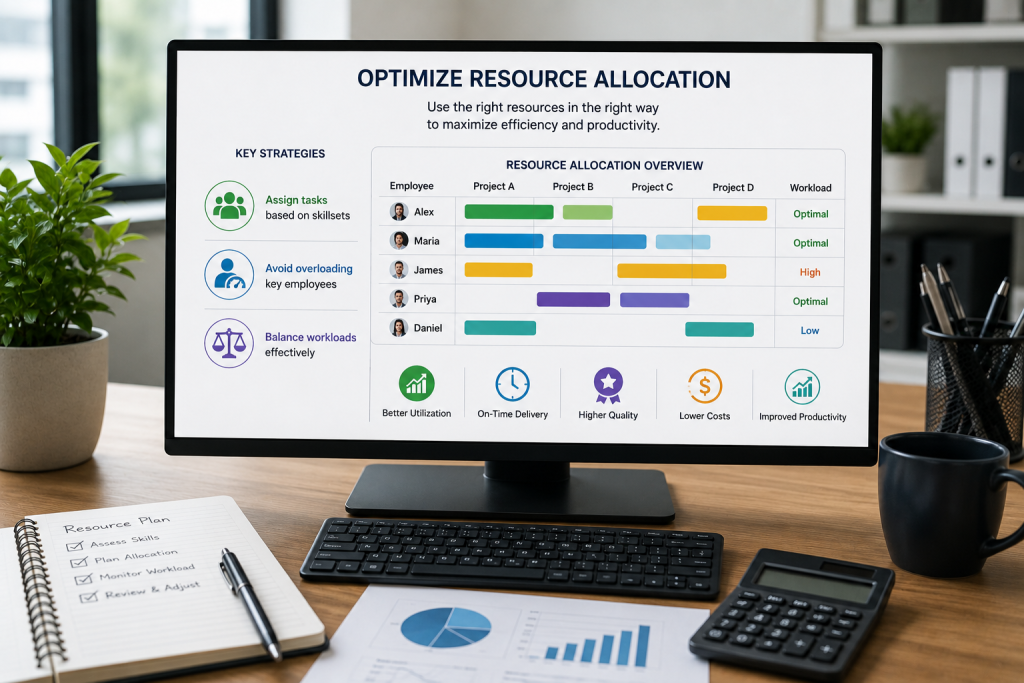
6. Optimize Resource Allocation
Efficiency isn't just about speed - it's about using the right resources in the right way.
- Assign tasks based on skillsets
- Avoid overloading key employees
- Balance workloads effectively
Better allocation leads to higher productivity without additional costs.
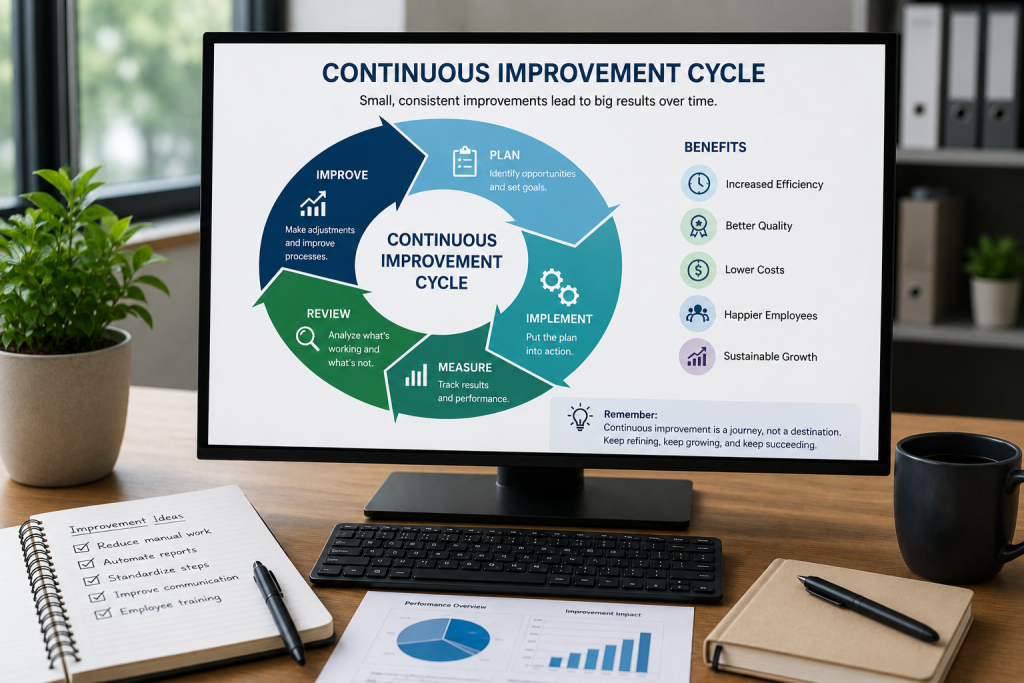
7. Continuously Review and Improve
Process optimization is not a one-time task. Continuous improvement ensures your business adapts to changing conditions.
- Conduct regular process reviews
- Gather employee feedback
- Implement incremental improvements
Small, consistent changes lead to long-term efficiency gains.
Final Thoughts
Improving efficiency doesn't require a bigger budget - it requires smarter strategies. By eliminating bottlenecks, automating tasks, standardizing workflows, and leveraging data, businesses can significantly improve performance without increasing costs.
Process optimization is the foundation of sustainable growth. Start implementing these strategies today and unlock the full potential of your organization.
Ready to Optimize Your Business Processes?
If you're looking to streamline operations and drive measurable results, our consulting experts can help. From strategy to execution, we deliver solutions that work.